




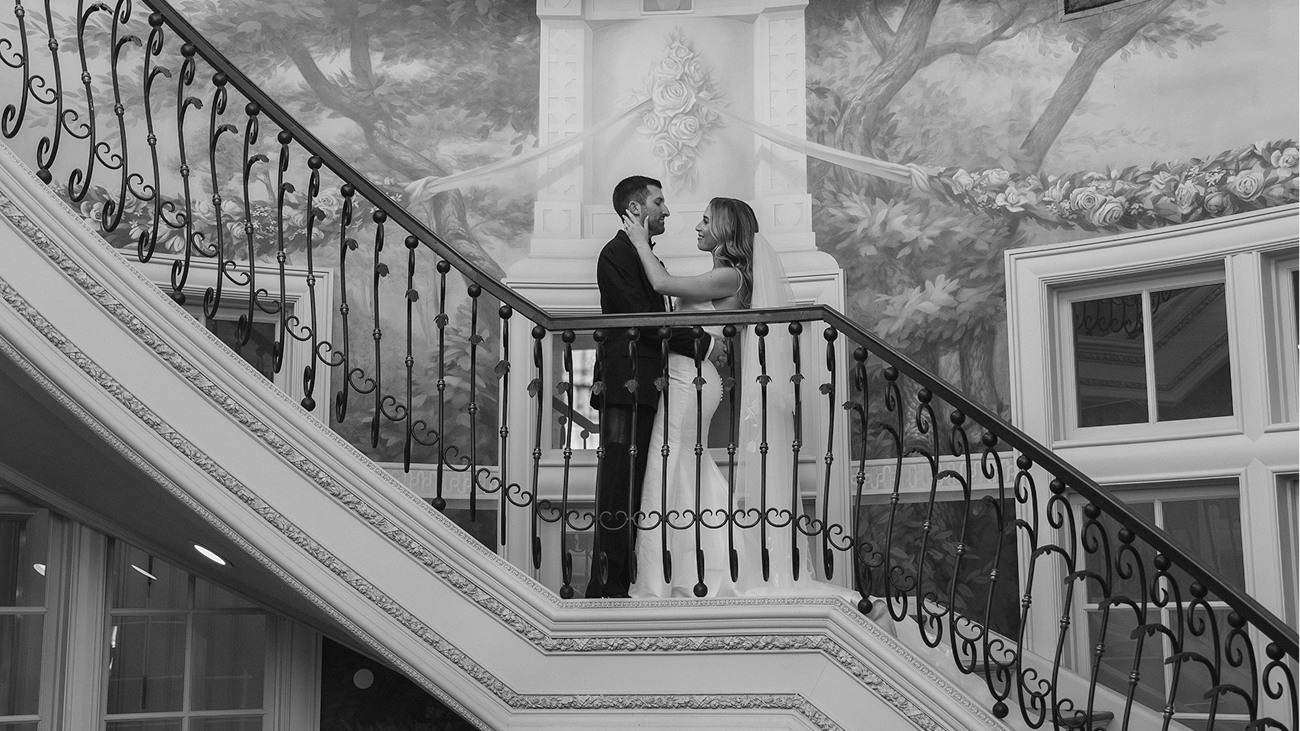

Choosing a wedding videographer Austin couples trust is about more than finding someone with a camera. The right creative partner will match your style, move with the day, and capture real feeling. They will turn your vows, laughter, music, and toasts into a film you want to watch again. This guide shows what to look for, what to ask, and how to compare wedding video services with more confidence.
The right videographer in Austin is someone whose work feels true to you, not just polished. Their portfolio should show clear stories, clean audio, smart cuts, and real moments. The day should not feel staged. Just as important, they should talk clearly, know your priorities, and help you feel at ease before the wedding day.
Austin weddings can range from downtown spots to Hill Country weekends, backyard parties, chapel ceremonies, and busy dance floors. A strong austin texas wedding videographer knows how to work with light, sound, timing, venues, and people while keeping the focus on the couple's story.



Style matters more than labels
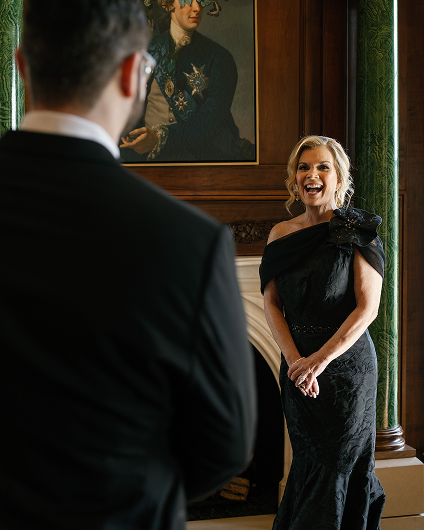
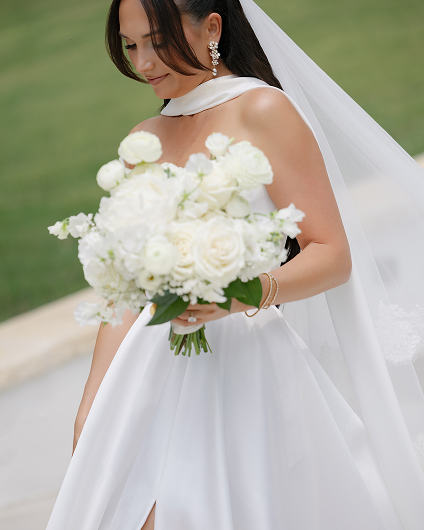
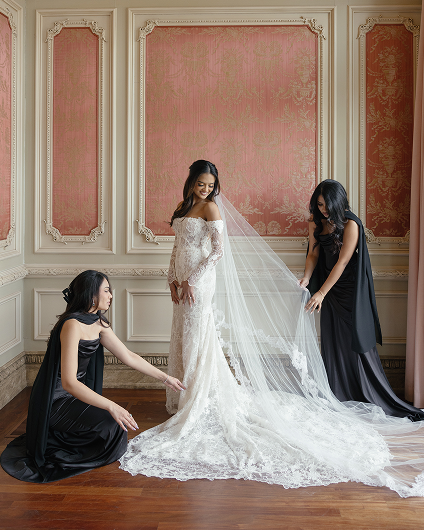
Many couples start by looking for a cinematic or documentary-style austin wedding video, but those labels can mean different things from one filmmaker to the next. One videographer may make bold, music-led highlight films with wide shots and fast cuts. Another may focus on quiet, candid scenes with natural audio and longer emotional moments.
Watch full films, not just short social clips. A teaser can show visual flair, but a longer film shows pace, sound, emotion, and whether the story holds your attention. Notice how the filmmaker handles the ceremony, speeches, getting-ready time, portraits, dancing, and travel between places.
Look for signs of a clear point of view:
- The film feels personal to the couple, not like a template.
- Important voices stay in the film, including vows, letters, speeches, and laughter.
- The camera feels present, but not distracting.
- Music adds to the feeling without taking over.
- Color, sound, and editing stay steady from one film to the next.
- The final video shows both big scenes and small details.
A professional wedding video should feel like a story, not a pile of random pretty clips. It should have a clear start, middle, and end that brings you back into the day.
Good coverage starts with trust and prep
The best wedding films often look easy, but that ease usually comes from planning. A good Austin wedding videographer will want to know what matters most to you: family ties, cultural customs, private vows, the first look, the dance floor, the venue, the speeches, or the small moments between events.
This prep helps the videographer work quietly. Instead of cutting into every scene, they can guess what comes next and be in the right place at the right time. That matters if you want a film that feels natural, not set up.
During your consult, pay attention to the questions they ask. Do they only talk about gear and packages, or do they ask about your relationship, priorities, timeline, venue, and comfort on camera? A thoughtful filmmaker will care about the people and meaning behind the event.
Tech should support the story
Beautiful austin wedding films depend on more than nice footage. Audio, light, camera steadiness, backup plans, editing, and file care all shape the final result. You do not need to be a production expert. You just need enough knowledge to ask smart questions.
Clear audio is vital. You can often forgive a slightly bad shot, but muffled vows or missing speeches are much harder to fix. Ask how the videographer records ceremony audio, toasts, and live music. Many pros use more than one audio source so they are not relying only on the camera mic.
Light is another key point, especially for evening receptions, candlelit rooms, and indoor venues. Ask how they handle low-light scenes without making the room feel harsh or overdone. Good tech choices should keep the mood while still making faces, motion, and small details easy to see.
A reliable videographer should also have backup gear. That may include extra cameras, batteries, memory cards, microphones, and a safe way to store footage after the event. These details are not glamorous, but they protect your memories.
How should you compare wedding video services?
Compare wedding video services by looking at what is included, how the filmmaker works, and whether the final files match what you want. Price matters. But the lowest quote is not always the best value if it means short coverage, weak audio, rushed cuts, or a style that misses your vision. Focus on hours of coverage, number of shooters, film length, delivery format, edit rounds, and use rights.
Packages can vary a lot. Some couples want a short highlight film that is easy to share. Others want full ceremony coverage, complete speeches, rehearsal dinner coverage, raw footage, social clips, or a longer doc edit. Before you compare proposals, decide which pieces are must-haves and which are nice to have.
Use this checklist when you review packages:
- Coverage time: Are the key moments covered from getting ready to the final send-off?
- Number of shooters: Does your day need a second filmer?
- Audio plan: How will vows, officiant remarks, music, and speeches be recorded?
- Final files: Are you getting a highlight film, full ceremony, speeches, teaser, doc edit, or a mix?
- Editing style: Does the sample match the pace, tone, color, and feeling you want?
- Turnaround: Is the due date clear before you book?
- Rights and access: Can you download, share, and store your films with ease?
- Backup plan: What happens if gear fails or footage needs safekeeping after the wedding?
- Communication: Is booking, planning, and delivery easy to follow?
- Contract clarity: Are payment terms, cancel rules, final files, and duties written down?
This list helps you compare more than the headline price. It also gives you a better sense of which Austin wedding video team is prepared, organized, and aligned with your expectations.
Local know-how can make the day run smoother
Austin has its own rhythm as a wedding market. Depending on your venue and season, your videographer may need to work around bright afternoon sun, warm outdoor ceremonies, hard-to-predict weather, downtown traffic, tight vendor load-in windows, or a ceremony site that is far from the reception. Local know-how helps because the filmmaker is more likely to plan for those limits.
That does not mean you must hire someone who has filmed at your exact venue before. A skilled pro can scout, ask the right questions, and adjust fast. Still, knowing Austin weddings can make talk easier with planners, photographers, DJs, venue teams, and other vendors.
Ask how the videographer works with the photographer. These two vendors work side by side all day, and their teamwork affects the couple's experience. A calm, respectful team can capture portraits, details, entrances, and private moments without making you feel pulled in two directions.
Personality and presence matter too
Your wedding videographer will be near you during emotional, private, and fast-moving parts of the day. If their personality feels tense, dismissive, or too controlling in the consult, that may show up later. If they feel grounded, alert, and easy to work with, you are more likely to relax on camera.
Comfort matters because real footage often happens when couples forget the camera is there. A good videographer knows when to give a little direction and when to step back. They can catch tears, laughter, nerves, and joy without turning every moment into a show.
Reviews can help, but read them for details. Look for notes about communication, calm, professionalism, flexibility, and how the couple felt during the day. A pretty portfolio matters, but the work experience matters too.
A simple booking plan keeps stress low
Once you have a short list, move from browsing to a clear choice. Wedding planning can get busy fast, and a simple process helps you avoid picking from one great clip or one low price.
Follow these steps:
- Define your vision. Decide whether you prefer cinematic, documentary, romantic, stylish, nostalgic, energetic, or low-key storytelling.
- Choose your must-have moments. List the parts of the day you would be sad to miss.
- Review full films. Ask for examples that match your venue type, guest count, or light.
- Schedule a consult. Use the talk to judge fit, clear talk, and style.
- Compare written proposals. Make sure each option explains coverage, final files, timing, and cost.
- Ask about teamwork. Confirm how they work with planners, photographers, and venue staff.
- Read the contract closely. Do not rely on spoken promises for dates, edits, or included films.
- Book early when you can. In-demand wedding vendors can fill up well before popular dates.
This approach turns a broad search for a wedding videographer Austin couples recommend into a more sure choice. You are not just asking who makes pretty videos. You are asking who can tell your story, guard your memories, and make the day feel easier.
Budget should match what you value most
Budget is real, and every couple has to decide where video fits among venue, catering, photos, music, flowers, attire, and guest experience. Instead of thinking only in terms of expensive or cheap, think in terms of priority. If hearing your vows, reliving speeches, and seeing the day in motion matter deeply, video is worth care.
If you need to control cost, start by naming the final files that matter most. You may value strong core coverage and a well-cut highlight film more than extra add-ons. Another couple may care most about full ceremony footage or a fast teaser to share with family and friends.
Be open with possible videographers about your priorities. A clear pro can explain what fits in a package and where upgrades help most. Do not ask someone to match a very different style or cut a package too far without changing scope; good work takes time, planning, cuts, and care.
The best choice feels clear before the day
By the time you book, you should know what your videographer will give you, how they work, and why their style fits your wedding. You should feel at ease asking questions and sure that they understand the weight of the day.
The strongest austin wedding films are not just polished work. They feel personal, calm, and alive. They keep the parts you planned with care and the moments you never saw coming.
If you are searching for a wedding videographer in Austin, start with feeling, then look at craft, process, personality, and logistics. A great film begins long before the camera rolls, with a shared plan and a pro you trust to catch the day as it truly felt.
Q&A
Question: Should we choose a cinematic or documentary-style Austin wedding videographer?
Short answer: Choose the films you connect with, not the label. Words like cinematic and documentary can mean different things to different filmmakers. Watch full wedding films to see whether you like bold music-led stories, quiet candid coverage, natural audio, longer scenes, or a mix of styles.
Question: Why is audio such an important part of wedding videography?
Short answer: Audio keeps the parts of the day that cannot be made again, such as vows, speeches, officiant remarks, letters, laughter, and live music. A beautiful shot is nice, but muffled vows or missing toasts can weaken the whole film. Ask how the videographer records ceremony and reception sound, and whether they use more than one audio source.
Question: Do we need to hire a videographer who has already filmed at our Austin venue?
Short answer: Not always. Past venue work can help, but the guide stresses that a skilled pro can scout the site, ask good questions, work with vendors, and adjust to light, sound, weather, and timing. Local Austin wedding experience can still help because the filmmaker may better know traffic, climate, venue rules, and planning needs.
Question: What should we compare besides price when reviewing wedding video packages?
Short answer: Compare coverage time, number of shooters, audio plan, final files, editing style, turnaround time, use rights, backup plan, communication, and contract clarity. The lowest quote is not always the best value if it leads to short coverage, weak audio, rushed cuts, or a final style that misses your vision.
Question: How can we feel more comfortable being filmed on the wedding day?
Short answer: Pick a videographer whose personality feels calm, attentive, and easy to work with during the consult. Real footage often happens when couples relax enough to forget the camera is there. A strong videographer will know when to guide and when to step back so the day does not feel overdone.


.png)


